


A TEFL abroad packing list should cover four things first: legal documents, teaching-day basics, climate-appropriate clothes, and a small emergency kit. Bring enough to start work confidently, not enough to recreate your bedroom in a second hemisphere. Most destinations have shops, so the goal is a calm first month, not a suitcase that needs its own passport.
Key takeaways
- Keep your passport, degree, TEFL certificate, police check, contract and visa papers in your carry-on and a secure cloud folder.
- Pack a small professional wardrobe that works for your destination’s climate and school culture.
- Bring adaptable classroom items, but do not fill your luggage with resources the school already provides.
- Buy bulky or climate-specific items after you arrive when local options are better and cheaper.
- Make one “first 48 hours” pouch with documents, medication, chargers, toiletries and a change of clothes.

What should be on a TEFL abroad packing list?
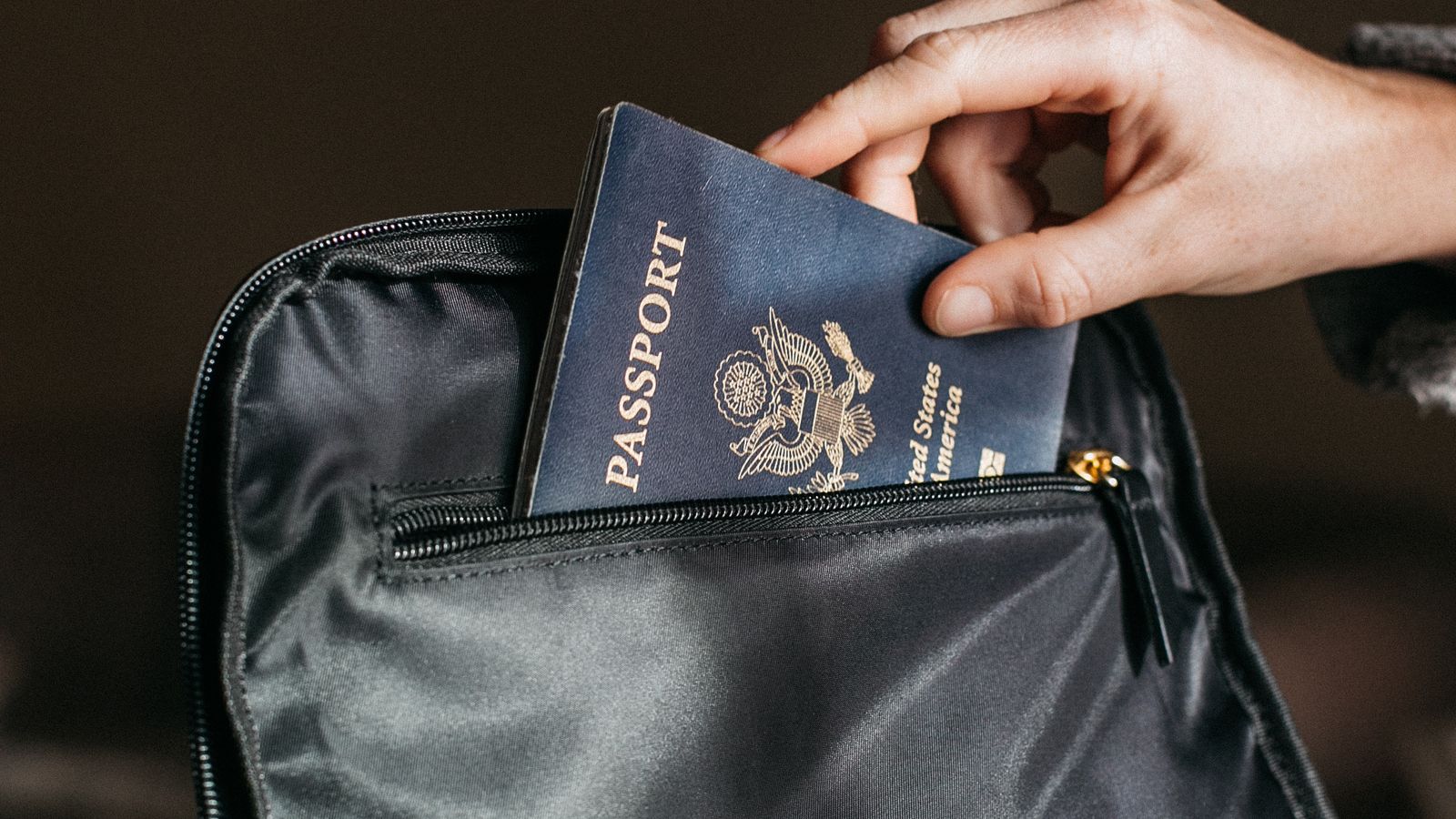
Start with the boring items. Boring is excellent when you are standing at immigration after a long flight and your phone battery is negotiating its resignation. Put original documents in a waterproof folder, keep scans in an encrypted cloud drive, and email a copy of your contract to someone you trust.
| Priority | Pack | Why it matters | Carry-on or checked? |
|---|---|---|---|
| Non-negotiable | Passport, visa, contract, degree, TEFL certificate, police check | Needed for travel, onboarding, verification and work paperwork | Carry-on, plus digital copies |
| First-week essentials | Medication, prescriptions, glasses, phone, charger, adapter, toiletries, one outfit | Replaces the items that are hardest to replace quickly | Carry-on |
| Teaching basics | Notebook, pens, USB drive, small props, timer, comfortable shoes | Useful while you learn what the school supplies | Carry-on or light checked bag |
| Climate layer | One smart jacket or cardigan, breathable clothes, rain layer, sun protection | Helps you teach comfortably while your wardrobe settles | Checked bag |
| Nice later | Extra decor, large books, specialist electronics, duplicate toiletries | Bulky, replaceable, or easy to buy locally | Buy after arrival |
This checklist is a practical planning framework for a single teacher; destination rules and airline baggage limits always take priority.
Your documents need a little more thought than “put them somewhere safe”. Check whether your employer needs notarised copies, legalization, apostilles, passport photos, a medical certificate, or a police check issued within a certain period. Requirements vary by country and nationality, so confirm against the embassy or immigration authority before departure.
Which clothes should a new teacher pack?
Pack for the school you have, not the fantasy version where every day is linen trousers and sunsets. A useful starting capsule is three to five smart tops, two or three pairs of comfortable trousers or skirts, one modest outfit for formal events, a light layer, versatile walking shoes, and clothes for off-duty life. In hot climates, breathable fabric and quick drying matter. In cooler destinations, layering beats packing one enormous coat.
School culture can be more conservative than the destination’s tourist districts. Ask your employer about visible tattoos, shorts, footwear, religious spaces, uniform expectations, and whether teachers change into indoor shoes. One of our team members once packed for a humid placement with two pairs of jeans and discovered that “just in case” is not a climate strategy.
| Climate | Teaching clothes | Personal items | Common mistake |
|---|---|---|---|
| Hot and humid | Breathable shirts, loose trousers, washable smart shoes | Quick-dry gym kit, compact rain layer, strong sun protection | Packing heavy fabrics that never dry |
| Warm with a rainy season | Light layers, closed-toe shoes, water-resistant bag | Small umbrella, dry bag, insect protection | Ignoring sudden rain during commutes |
| Cool or four-season | Layering pieces, warm coat, shoes for wet or cold streets | Thermal base layer, compact laundry plan | Bringing one bulky coat but no flexible layers |
| Conservative school setting | Longer hems, sleeves or a smart cover-up | Simple accessories, clothes that are easy to wash | Assuming tourist clothing is school clothing |
Climate notes are general. Check local weather by month and ask the school what teachers actually wear.
TEFL Abroad Packing List: What to Bring and What to Buy There
What teaching resources are worth carrying?
Bring a small starter kit, then adapt. A notebook is more useful than a box of laminated flashcards when you have not yet seen the classroom. Pack a USB drive only if you know how you will secure it, and keep lesson materials backed up online. A few blank sheets, sticky notes, a timer, a marker, and a handful of visual prompts can rescue an unexpected cover class.
Do not assume every school has the same technology. Ask whether classrooms have projectors, reliable Wi-Fi, whiteboards, printers, speakers, and access to shared drives. If you teach young learners, small props can help, but a good mime and a clear routine are lighter than a suitcase full of plastic fruit.
How should you pack medication, toiletries and electronics?
Keep essential medication in original packaging with the prescription or doctor’s letter you need. Check the destination’s rules for controlled medication before flying. Pack enough for the transition period, but do not assume you can import a large supply without documentation. Bring a basic first-aid kit, but buy normal toiletries locally unless you have a specific allergy or product you cannot replace.
For electronics, prioritize the items you actually use: phone, laptop if required, universal adapter, charging cables, power bank within airline limits, headphones, and a secure backup method. Check voltage and plug type. If you teach online, add a headset and a small light only after confirming your accommodation and work setup.
| Item after arrival | Typical starter cost | Priority | How to save |
|---|---|---|---|
| SIM or eSIM and data | US$10 to US$40 | High | Compare local plans and avoid airport mark-ups |
| Transport card or first commutes | US$10 to US$60 | High | Ask the school for the cheapest route |
| Basic bedding or kitchen items | US$40 to US$180 | Medium | Check what housing already includes |
| Work clothes or shoes | US$40 to US$160 | Medium | Buy for local climate and school norms |
| Small classroom supplies | US$10 to US$50 | Low to medium | Wait until you see the classroom |
Ranges are broad planning estimates in USD, not quoted prices. Your city, accommodation and arrival airport can shift them significantly.
What should stay in your carry-on?
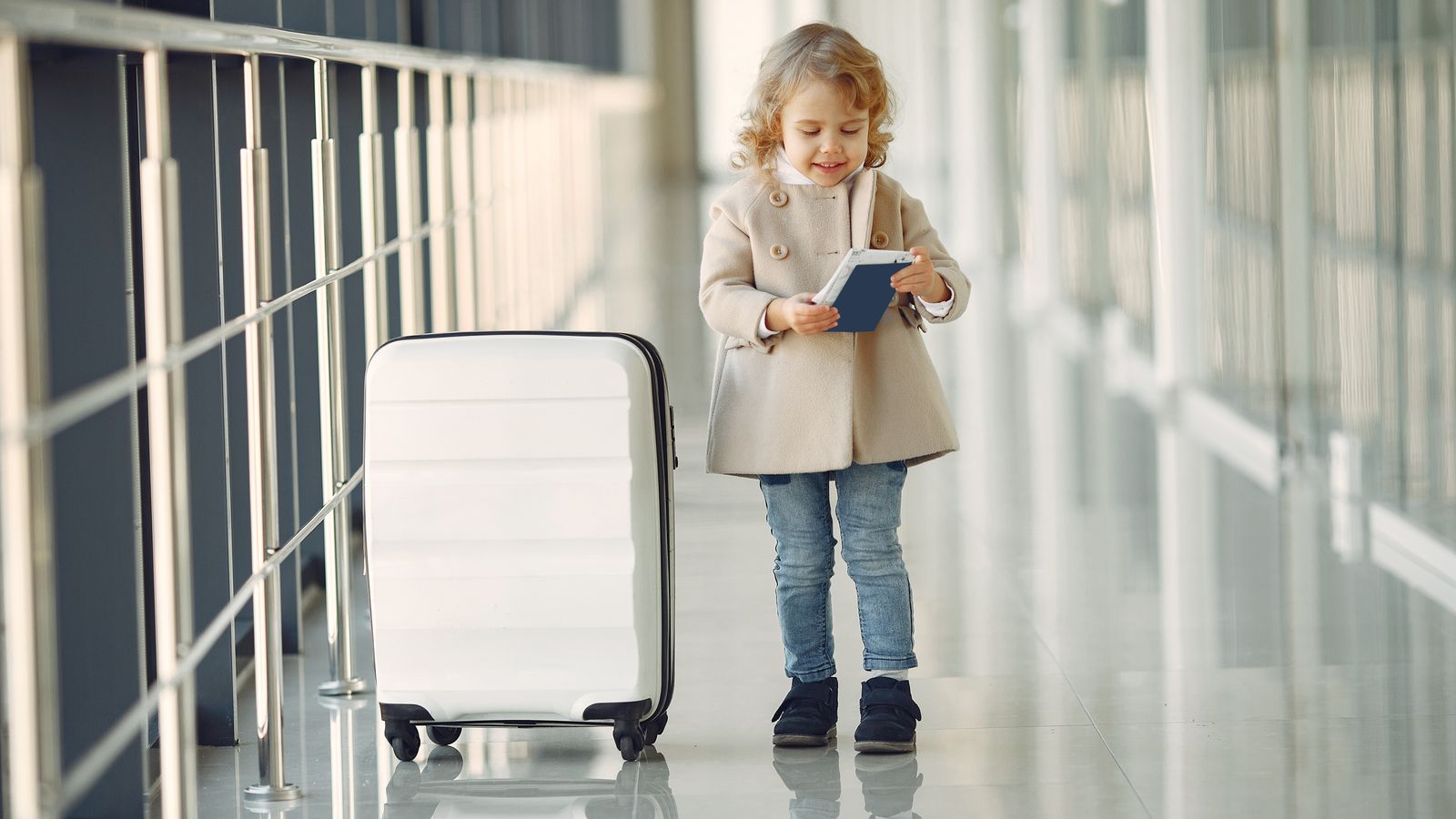
Use a simple rule: if losing your checked bag would stop you working or staying safe, carry it. That usually means documents, medication, phone, charger, one change of clothes, basic toiletries, valuables, and the materials for your first day. Put an address and contact number inside and outside every bag.
Download offline maps, your accommodation details, the school address, a translation app, and a copy of your insurance policy before you leave airport Wi-Fi behind. Share your arrival plan with someone at home. The glamorous part of moving abroad is the new life; the sensible part is knowing where your passport is at 2 a.m.
What should you buy after you arrive?
Buy bulky toiletries, hangers, storage boxes, extra bedding, local SIM equipment, kitchen basics and destination-specific clothing after you have seen the local prices. You may also find that your school provides whiteboard markers, textbooks, stationery, and classroom technology. Spend the first week observing before you turn your rented room into a stationery warehouse.
For visa and employment paperwork, follow official guidance rather than travel forums. The US Department of State country information pages are a useful starting point for US citizens, while other nationalities should use their own government and embassy guidance.
How do you avoid overpacking for a TEFL job?
Lay everything out, then remove a third. Pack by weekly routine, not by imagined emergencies. If you can buy it within the first month, it is probably not a carry-on priority. If it is expensive, irreplaceable, legally important, or essential to your health, it belongs in the careful category.
The best TEFL abroad packing list is a decision tool, not a command to bring every item on the internet. You need documents, a workable first-week wardrobe, personal essentials, and enough flexibility to learn how your new school and city actually operate. The rest can wait until you know where the nearest supermarket is.
“Olivia was a great help. There was a slight technical issue with my course, but she helped me out immediately and even compensated for it. I highly recommend!”
How can you prepare for the first week abroad?
Your packing list is only half the launch plan. Before departure, save the school address, accommodation details, an emergency contact, embassy information and the route between your room and campus. Download offline maps and translation support. If the school has sent an induction schedule, screenshot it, because airport Wi-Fi has a habit of becoming philosophical at exactly the wrong moment.
Make a first-week folder with your contract, arrival instructions, appointment confirmations and a simple budget. Keep it readable on your phone, but also carry a paper address card. A taxi driver, landlord or receptionist may not need your entire life story; they do need the correct street and phone number. Share your itinerary with someone at home and agree when you will check in.
Use these preparation prompts alongside the master packing list and clothing budget. The method is to keep irreplaceable items close, verify official requirements, and delay replaceable purchases until you know local prices. Airline rules, medical advice and immigration instructions always take priority.
Once you arrive, resist the urge to buy everything immediately. Walk the route to school, see what the classroom contains, check the local weather, and ask colleagues where they buy basics. Your first week will still be busy, but it will be useful busy rather than “why did I bring four novelty mugs?” busy. Leave room in your luggage and your schedule for the place to teach you what it needs.
Keep a tiny laundry plan in mind too. A sink-washable layer, a reusable bag and a habit of checking the school week can save more space than another pair of shoes. You are moving to teach, not opening a branch of a department store.
Do a final check against your airline limits and your employer’s first-day instructions. Weigh the bag, keep liquids compliant, label chargers, and place the documents you will actually show near the top of the carry-on. Then stop packing. A rested traveller with a small bag is usually better prepared than an exhausted traveller carrying every possible contingency.
Pack for the person you will be during the first working week: practical, tired, curious and grateful that the charger is in the carry-on.


