


Learning how to save money teaching English abroad comes down to a handful of practical habits: picking the right banking setup, tracking your spending against a real budget, and understanding how taxes work if you are a US citizen abroad. Salary alone does not determine how much you actually keep at the end of the month, the way you manage money day to day usually matters more. This guide focuses on the concrete tactics that make the biggest difference, banking and transfer apps, budgeting approaches that actually stick, common money mistakes new teachers make, and the tax rules worth knowing before you go.
If you have not already worked out roughly what you could save in a specific country, our TEFL savings calculator is the place to start, since it models take-home pay and living costs across popular destinations. This guide picks up from there and focuses on the tactics you can put into practice once you already have an idea of your numbers.
Banking Setup: Get This Right Before You Fly
One of the most overlooked parts of how to save money teaching English abroad is banking infrastructure. Getting hit with foreign transaction fees, poor exchange rates, or slow international transfers every single month quietly erodes savings that would otherwise stay in your pocket.
A few banking habits worth setting up before you leave:
- Open a local bank account as soon as your visa and paperwork allow it. Most schools pay salary directly into a local account, and holding funds locally in the local currency avoids repeated conversion fees.
- Use a fee-free or low-fee international transfer app for moving money home, rather than a traditional bank wire, which often carries a flat fee plus a poor exchange rate margin.
- Carry a no-foreign-transaction-fee debit or credit card from your home bank as a backup, particularly useful in your first few weeks before local banking is fully set up.
- Check whether your home bank charges international ATM withdrawal fees, and if so, minimize cash withdrawals abroad in favor of card payments where accepted.
How to Save Money Teaching English Abroad
Transfer Apps: Moving Money Home Without Losing a Chunk of It
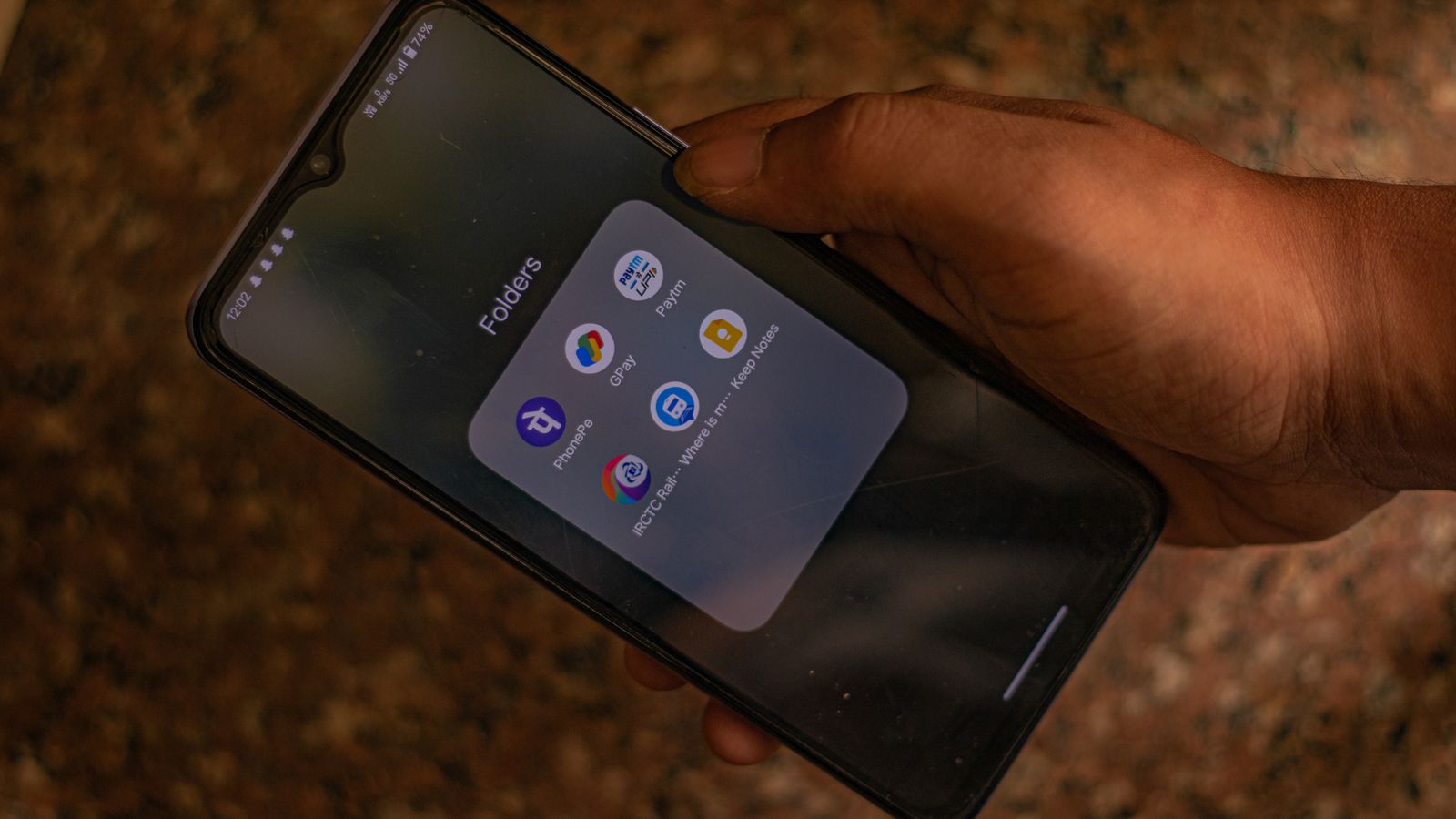
If part of your plan is sending money home regularly, the transfer method you choose has a real, compounding effect on what actually arrives. Traditional bank-to-bank international wires often apply both a flat fee and a marked-up exchange rate that is not obvious until you compare it to the market rate.
Dedicated money transfer apps generally offer a transparent fee structure and an exchange rate much closer to the real mid-market rate, which can mean noticeably more of your money arriving home over a year of monthly transfers. Before your first transfer, it is worth comparing the total cost (fee plus exchange rate spread) of at least two or three transfer options rather than defaulting to whatever your home bank charges automatically.
Budgeting That Actually Works Abroad
A budget written before you leave home rarely survives contact with a new country's actual cost of living. The more reliable approach is to track your first month's real spending closely, then build your budget from that data rather than guesswork.
| Budget category | Why it is easy to underestimate |
|---|---|
| Housing utilities | Heating and air conditioning costs vary hugely by season and are easy to forget if housing itself is covered by your school |
| Visa and document renewals | Fees, translations, and required trips to immigration offices add up and often get forgotten in a monthly budget |
| Social spending | New friendships and exploring a new country naturally increase dining and activity spending in the first few months |
| Travel during breaks | School holidays are a strong pull toward regional travel, which is easy to underbudget if you are focused only on monthly living costs |
A simple, sustainable approach is the 50/30/20 style split adapted for teaching abroad: roughly half of take-home pay toward essentials (rent if not covered, food, utilities, transport), a portion toward discretionary spending and travel, and a fixed percentage automatically moved to savings or transferred home each month before you have a chance to spend it. Automating that last step, treating savings as a fixed monthly transfer rather than "whatever is left over", is one of the single most effective habits for actually saving money teaching English abroad rather than just intending to.
Common Money Mistakes New TEFL Teachers Make
A few mistakes come up again and again among first-time TEFL teachers, and most are avoidable with a little planning:
- Waiting too long to open a local account. Every month spent relying on a home-country card for daily spending usually means unnecessary conversion fees.
- Not tracking spending in the first month. Without real data, budgets are just guesses, and guesses are usually wrong in the direction of underspending on categories like transport and visa costs.
- Treating "savings" as leftover money. Money left at the end of the month after discretionary spending rarely accumulates the way a fixed automatic transfer does.
- Ignoring small recurring fees. ATM fees, subscription services still running from home, and small transfer fees are individually minor but add up significantly over a year.
- Not researching tax obligations early. Citizens of some countries, notably the United States, have tax filing obligations on foreign income regardless of where they live, and leaving this until the last minute creates unnecessary stress.
Tax Considerations for US Citizens Teaching Abroad
US citizens are taxed on worldwide income regardless of where they live, which surprises many first-time teachers abroad. The good news is that the Foreign Earned Income Exclusion (FEIE) allows qualifying taxpayers to exclude a significant amount of foreign earned income from US federal tax each year, provided they meet either the bona fide residence test or the physical presence test, which generally requires being physically present in a foreign country for at least 330 full days during a 12-month period (IRS: Foreign Earned Income Exclusion).
This does not eliminate the requirement to file a US tax return, and the exclusion amount is adjusted annually for inflation, so it is worth checking the current year's figure directly on the IRS page rather than relying on an outdated number. Teachers from other countries should check their own home country's rules on foreign income and any tax treaties that may apply, since rules vary significantly and US rules do not apply to non-US citizens.
Free teacher tool
A free credential that can boost your earning power
Schools and employers now shortlist teachers for AI skills. Stronger credentials help you land better-paid roles. The free AI-Skilled Teacher check takes about 6 minutes: 12 questions, an instant result and a certificate you can add to your resume.
Try the free checkWhere the Real Savings Come From
The biggest single lever for how much you save teaching English abroad is usually the gap between local cost of living and your salary, which is exactly what our full 2026 savings calculator is built to model across different countries. That calculator focuses on the "how much" question. This guide focuses on the "how", the specific banking, budgeting, and tax habits that determine whether the savings your destination makes possible actually end up in your account at the end of the year.
Beyond banking and budgeting, it is also worth checking what your specific contract includes before assuming you know your real disposable income. A contract that includes free housing changes your entire monthly budget compared to one where you pay market rent, even at an identical salary figure, which is one reason total compensation matters more than the salary line alone when planning how much you can realistically save.
Building a Simple Monthly Savings Routine
Consistency matters more than precision when it comes to actually saving money abroad. A simple monthly routine that works for most teachers:
- Pick a fixed day each month, ideally right after payday, to review spending and move your planned savings amount before other spending happens.
- Keep a rough running total in a notes app or simple spreadsheet rather than trying to build a complex budgeting system you will not maintain.
- Review your transfer costs every few months, since exchange rates and app fee structures change, and what was the cheapest option when you arrived may not stay that way.
- Reassess your budget after big life changes, such as moving apartments, changing schools, or extending your contract, rather than assuming your original numbers still apply a year later.
None of these habits are complicated on their own, but combined they are usually the difference between a teacher who saves consistently and one who arrives home after a year abroad wondering where the money went.
A Quick Story From a Career Changer
Money habits matter just as much for career changers as for first-time teachers straight out of college. One recent Premier TEFL graduate, Delicia Guillaume from South Africa, described her experience preparing for the move: "The platform was user-friendly, allowing me to study at my own pace while balancing other commitments" (verified review). Being able to study at her own pace alongside other commitments is exactly the kind of flexibility that also helps with financial planning before a move abroad, since it leaves room to research banking and budgeting options properly rather than rushing preparation at the last minute.
If pay is a major factor in your planning, alongside how much you can save, it is worth reading our full verified salary data for 30 countries, which breaks down real earnings by destination rather than relying on averages alone.
Cutting Recurring Costs From Home
A surprisingly common leak in a new teacher's budget is subscriptions and recurring payments left running from their home country: streaming services, gym memberships, phone plans, and software subscriptions that quietly continue charging a home-country card every month. Before you leave, it is worth going through your bank and credit card statements line by line and canceling or pausing anything you will not use while abroad. Reinstating a subscription later takes minutes; forgetting about one for a year can add up to a meaningful amount lost for nothing.
The same applies to home-country phone plans. Many teachers keep an expensive home plan active out of habit or for banking verification purposes, when a much cheaper plan, or pausing the line entirely, would achieve the same goal at a fraction of the cost.
Emergency Funds and Unexpected Costs Abroad
Saving money teaching English abroad is not just about maximizing what you put away each month, it also means planning for costs that do not show up in a typical monthly budget. Visa renewals, unexpected medical costs not fully covered by insurance, a flight home for a family emergency, or a broken laptop needed for work can all appear with little warning.
A simple approach that works well for most teachers is keeping a separate emergency fund, ideally equivalent to one to two months of living expenses, in an account you do not touch for regular spending. This fund exists specifically so an unexpected cost does not force you to dip into money you were planning to send home or save long term. Building this fund is often the first savings priority in your initial few months abroad, before shifting focus toward longer-term savings goals.
Comparing Costs Before You Choose a Destination
If you are still deciding where to teach, cost of living differences between countries can matter as much as the advertised salary. A lower salary in a country with a significantly lower cost of living can leave you with more disposable income than a higher salary in an expensive city. Rent, in particular, varies enormously, not just between countries but between neighborhoods within the same city, and is usually the single biggest line item in any monthly budget.
Before committing to a specific city, it is worth researching typical rent for a modest one-bedroom apartment outside the most expensive central districts, since recruiters and job postings sometimes reference cost of living using citywide averages that do not reflect where most new teachers actually end up living.
Setting a Realistic Savings Goal
Vague goals like "save as much as possible" rarely produce results, because there is no clear target to measure progress against. A more effective approach for anyone working out how to save money teaching English abroad is setting a specific number tied to a purpose: a fixed amount to pay off a loan, a target for a house deposit, or a set figure to fund the next stage of travel once your contract ends.
Breaking an annual target into a monthly figure makes it far easier to check progress and adjust. If your goal is a specific total by the end of a 12-month contract, dividing it into monthly targets means you notice a shortfall in month three rather than discovering it in month eleven, when there is far less room left to correct course. Reviewing progress against that monthly figure, even briefly, is one of the simplest habits separating teachers who hit their savings goals from those who do not.
 Read our Google reviews


