

Key takeaways
- Volunteer English-teaching programs like the Peace Corps place you for one to two years with a modest living stipend rather than a market salary, in exchange for structured training, support, and often a wider choice of country or region.
- Paid TEFL jobs, by contrast, offer a real salary from day one, shorter and more flexible contract lengths, and far more control over which country and city you work in.
- Peace Corps volunteers can now earn a TEFL Certificate as part of their in-service training, which is a meaningful shift toward recognizing formal teaching qualifications inside a volunteer program.
- Government programs like JET, EPIK, NALCAP, and TAPIF sit in a different category again: paid, government-run, but not run by a development or volunteer organization.
- The right choice depends on what you are optimizing for: income and flexibility point toward a standard paid TEFL job, while structured support, longer-term community placement, and development-sector experience point toward a volunteer program.

What "volunteer English teaching" actually means
Volunteer programs are not the same as unpaid work. Organizations like the Peace Corps provide a living stipend intended to cover local cost of living, along with housing support, medical coverage, and in most cases a completion grant paid at the end of service. You are not earning a competitive salary, but you are also not paying your own way the way an unpaid internship would require. WorldTeach has historically run a similar model: participants pay program fees for shorter placements or serve on longer fully funded assignments depending on the country and partnership, with living costs covered locally. This funding structure is the single biggest difference between a volunteer program and a standard paid TEFL job, and it is worth understanding clearly before you compare the two on stipend size alone, since the real trade-off is stipend versus salary, not stipend versus nothing.
Volunteer programs vs paid TEFL jobs: side by side
| Factor | Volunteer program (e.g. Peace Corps) | Standard paid TEFL job |
|---|---|---|
| Income | Living stipend, not a market salary; completion grant at end of service | Market-rate salary from the first paycheck |
| Contract length | Typically one to two years, fixed | Often 6 to 12 months, renewable, more flexible |
| Country choice | Limited to program's current placement countries; you rank preferences but do not fully choose | Full control; you apply directly to your preferred country and school |
| Training and support | Extensive: structured pre-service training, in-country language training, ongoing staff support | Varies by employer; usually limited to onboarding at your specific school |
| Qualification required to apply | Often none at entry; TEFL Certificate can be earned during service | TEFL certificate typically required before you apply |
Peace Corps: structured service with a TEFL certificate built in
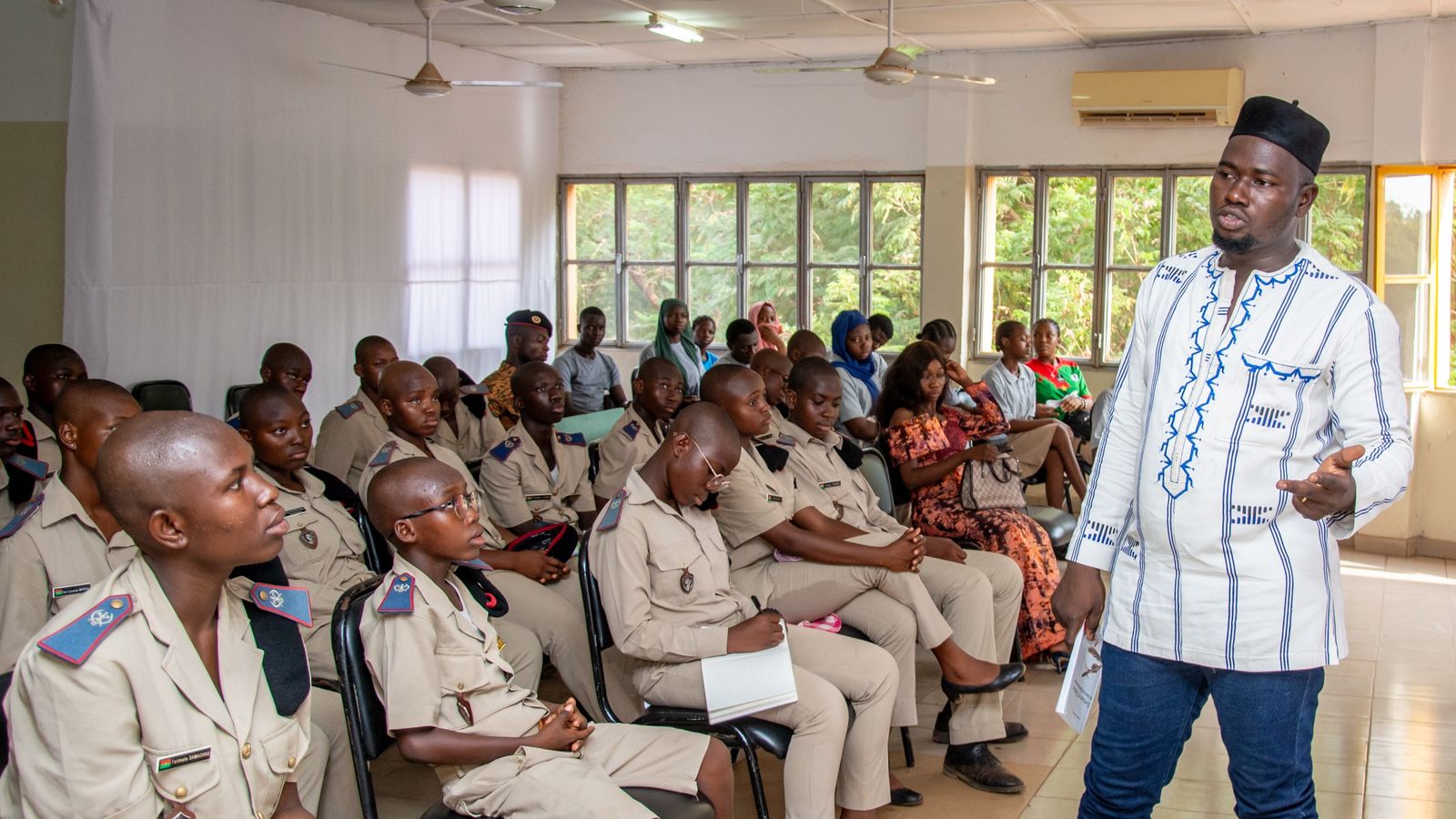
The Peace Corps has moved to formally incorporate TEFL training into its English-teaching assignments, which is a meaningful development for anyone weighing a volunteer placement against a paid job. According to the Peace Corps TEFL Certificate Program page, qualifying volunteers serving in English-teaching roles can now earn an internationally recognized TEFL certificate as part of their in-service training, on top of the language training, technical training, and cross-cultural preparation the program has long provided. This effectively means a Peace Corps placement can double as both a volunteer service commitment and a teaching credential, which narrows the gap with paid-job applicants who arrive already certified.
The trade-off is the commitment length and the application process itself. Peace Corps assignments typically run around two years and involve a competitive, multi-stage application, medical clearance, and a placement process where you rank country and region preferences but the final assignment is not guaranteed to match your top choice. For someone who wants a shorter, more flexible first experience abroad, or who wants to choose their country outright, this is worth weighing carefully against a standard TEFL job before applying.
WorldTeach: a shorter-commitment nonprofit alternative
WorldTeach has traditionally positioned itself as a nonprofit alternative to government-run volunteer service, historically offering both short summer placements and longer year-long assignments in partnership with ministries of education and local schools in several countries. The model generally combines a modest living stipend or homestay arrangement with a structured placement, similar in spirit to the Peace Corps but usually with a shorter minimum commitment and a more education-specific focus rather than the Peace Corps' broader community development mandate. We were unable to verify current program details and country offerings directly from WorldTeach's own site at the time of writing, so treat specific figures, fees, and destination lists as subject to change and confirm them directly with the organization before applying.
Where government programs like EPIK and JET fit in
It is worth being clear that Peace Corps and WorldTeach are not the same category as government-run programs such as JET in Japan, EPIK in South Korea, NALCAP in Spain, or TAPIF in France. Those programs are paid government initiatives, not volunteer or nonprofit service, and they typically offer a genuine salary, a defined single-country placement, and a shorter one-year renewable contract structure. If you want a full breakdown of how those four government programs compare to each other for new graduates, our teach-abroad programs for new graduates guide covers that comparison in detail; this article focuses specifically on the volunteer and nonprofit segment that guide does not cover.
Which option actually fits your situation?
If income matters most right now, whether because of student loans, savings goals, or simply wanting to be self-sufficient abroad, a standard paid TEFL job or a government program like EPIK or JET will get you there faster than a volunteer placement. If you are earlier in your career, want structured training and support as a safety net for your first time abroad, and are comfortable trading income for a lower-cost, higher-support experience, a volunteer program is a genuinely strong option, particularly now that Peace Corps folds a TEFL certificate into the placement itself. Many teachers also use a volunteer program as a first step and move into paid TEFL work afterward, arriving with both classroom experience and a formal certificate already in hand, which can be a competitive combination when applying to schools that value both criteria.
Location flexibility is another factor worth being honest with yourself about. Volunteer programs generally place you within a defined set of partner countries and communities, often rural or under-resourced areas that paid teaching jobs rarely reach, which can be exactly the draw for some applicants and a dealbreaker for others who have a specific country in mind. If you already know you want to teach in, say, Vietnam or Thailand specifically, a paid job search aimed directly at that country will likely get you there faster and with more certainty than ranking preferences inside a volunteer program's placement process. For a sense of how placement, pay, and safety considerations play out in one specific volunteer-heavy region, our guide to teaching English in Africa covers real placement experiences across both paid and volunteer-style roles.
"Good value for money with interesting information. Good examples and links to more extensive data."
Morgan Shideler, Switzerland, 5 stars
Practical steps if you are considering a volunteer route
Start by reading the specific program's current eligibility page directly rather than relying on secondhand summaries, since requirements around age, education level, and health clearances do change between application cycles. For the Peace Corps specifically, review the TEFL Certificate Program details on their official site before you apply, so you understand exactly what training and credential you would walk away with at the end of service, not just the placement itself. Talk to returned volunteers if you can find any through university alumni networks or online communities, since firsthand accounts of the day-to-day realities, both good and difficult, tend to be far more useful than promotional material from any single organization. And if you are weighing a volunteer placement against a paid TEFL job mainly because you are unsure whether you are "qualified enough" yet, remember that a standard 120-hour TEFL certificate is achievable in a few weeks and immediately widens your paid-job options, which may be the faster and more flexible route into teaching if income and location choice matter more to you than the structured support a volunteer program provides.
Timeline is another practical detail worth mapping out early, because volunteer programs and paid jobs run on very different application calendars. Peace Corps applications typically open many months before a service start date and involve staged reviews, medical clearance, and placement matching, so applying six months to a year ahead of when you actually want to leave is common practice rather than overcautious planning. Paid TEFL jobs, especially through private language academies, tend to hire on a rolling basis with a much shorter runway between application and start date, sometimes only a few weeks. If you have a fixed date by which you need to be earning again, whether because of loan repayments or a lease ending, that timeline mismatch alone might settle the decision before you even weigh stipend against salary.
It is also worth considering how each path looks afterward, whether you plan to stay in international education long-term or use this as a one-time experience before a different career. Development-sector and NGO employers often specifically value Peace Corps or similar volunteer service on a resume, sometimes even preferring it over a purely commercial teaching background, because it demonstrates community-level work in under-resourced settings. Conversely, language school chains and international school networks tend to weight paid classroom experience and formal TEFL or teaching qualifications more heavily when hiring for their own roles. Neither path forecloses the other, but if you already have a specific long-term direction in mind, it is worth checking which experience the employers you actually want to work for tend to favor.
WorldTeach and Peace Corps: How Volunteer English Teaching Programs Compare to TEFL Jobs
Considering the paid route instead?
Get TEFL-qualified and start applying directly to schools in the country you actually want to live in.


